

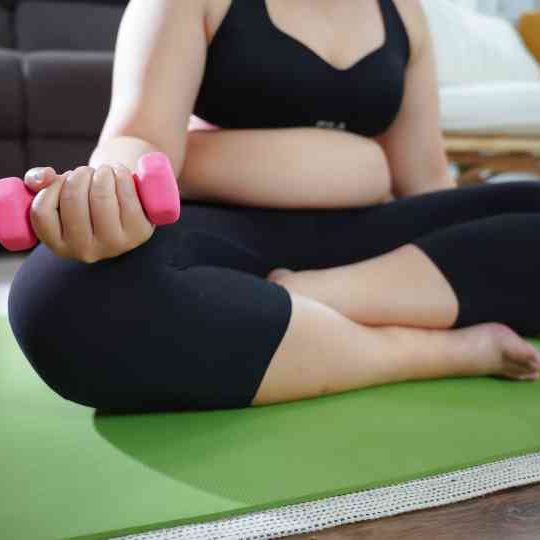

Many people searching for ways to improve their health ask “what is the best exercise to lose weight?”. The truth is that there is no single exercise that works for everyone, but activities that raise your heart rate and can be performed consistently tend to produce the best results. Exercises such as brisk walking, cycling, swimming, and strength training are all effective for supporting weight loss when combined with healthy eating habits. Fishguard Pharmacy provides professional guidance and support to help patients choose sustainable strategies that fit their lifestyle.
Exercise plays an important role in weight management because it increases energy expenditure, supports metabolism, and improves overall wellbeing. Consistency, enjoyment, and sustainability are often more important than choosing the most intense activity.
- Regular physical activity helps increase calorie expenditure.
- Both cardiovascular exercise and strength training support weight loss.
- Consistency is more important than choosing a single “perfect” exercise.
- Combining exercise with balanced nutrition improves results.
- Professional support can help create a structured and sustainable plan.
The Importance of Exercise for Weight Loss
Exercise contributes to weight loss by increasing the number of calories your body uses throughout the day. When combined with a healthy diet, this can help create the calorie deficit required for gradual and sustainable weight loss.
Regular movement also supports muscle health, cardiovascular fitness, and metabolic function. These benefits can make it easier to maintain a healthy weight over time.
Call us to learn more about weight management support and lifestyle guidance available at Fishguard Pharmacy.
Cardio Exercises That Support Weight Loss
Cardiovascular exercise increases heart rate and burns calories efficiently. As cardio exercises can be adapted to different abilities, many people rely on them as the base of their weight loss routine.
Examples of cardio exercises include brisk walking, jogging, cycling, swimming, and group fitness classes. These activities can improve endurance while helping the body burn energy more effectively.
Popular Cardio Exercises
Different types of cardio exercises can support weight loss by increasing heart rate and calorie expenditure. Below is a table showing popular cardio activities along with the advantages they offer.
| Exercise | Benefits | Accessibility |
|---|---|---|
| Brisk Walking | Low impact and easy to maintain regularly | Suitable for most fitness levels |
| Cycling | Improves cardiovascular fitness and leg strength | Indoor or outdoor options available |
| Swimming | Full body exercise with minimal joint strain | Good for people with joint concerns |
| Jogging | Higher calorie burn and improved endurance | Suitable for moderate fitness levels |
The Role of Strength Training
Strength training is another important component of effective weight loss programmes. Resistance exercises help build muscle, which can increase resting metabolic rate and improve body composition.
Activities such as bodyweight exercises, resistance bands, and weight training can help maintain muscle while losing fat. Over time, this may support healthier and more sustainable weight management.
Contact us to discuss personalised weight management support and healthy lifestyle strategies.
Why Consistency Is More Important Than Intensity
A common belief is that only high-intensity exercise leads to weight loss. In reality, consistency and long-term adherence to physical activity routines often matter more.
Choosing exercises that you enjoy increases the likelihood of maintaining the routine. Even moderate activities performed regularly can produce meaningful health benefits over time.
Combining Exercise With Healthy Lifestyle Habits
Exercise alone may not produce optimal results without supportive lifestyle habits. Balanced nutrition, adequate sleep, and stress management all contribute to successful weight management.
Building a routine that includes both regular activity and healthy daily habits can create a sustainable approach to weight loss and overall wellbeing.


Frequently Asked Questions
Below are answers to some of the most frequently asked questions about the best exercise to lose weight.
What is the best exercise to lose weight quickly?
Exercises that raise the heart rate and burn calories efficiently, such as running or cycling, may support faster calorie expenditure. However, sustainable weight loss usually focuses on consistency rather than speed.
Is walking enough to lose weight?
Brisk walking can support weight loss when performed regularly and combined with balanced nutrition. Walking is often easier for people to sustain compared with more intense workouts.
How often should I exercise to lose weight?
Experts commonly recommend completing a minimum of 150 minutes of moderate exercise per week. Increasing activity gradually can help improve consistency and reduce injury risk.
Should I combine cardio and strength training?
Combining both types of exercise can support overall fitness and body composition. Cardio helps burn calories while strength training helps maintain muscle.
Do I need a gym membership to lose weight?
No, many effective exercises can be performed at home or outdoors. Walking, cycling, and bodyweight exercises can all support weight loss.
How long does it take to see results from exercise?
Improvements in energy and physical fitness often become noticeable within several weeks. Visible weight changes may take longer depending on lifestyle habits and consistency.
Building a Sustainable Exercise Routine
Understanding the best exercise to lose weight can help individuals choose activities that support their goals and lifestyle. The most effective approach usually combines regular activity, balanced nutrition, and sustainable habits.
Fishguard Pharmacy offers professional advice and guidance to help individuals explore practical ways to improve their health and wellbeing. Book now to speak with our team and learn more about supportive weight management options.
Disclaimer: This article is for informational purposes only and should not replace professional medical advice. Always speak to a medical professional before starting any treatment or exercise programme.