

If you have been asking yourself, “how much weight have I lost”, you are not alone. Many people in Fishguard want a clear, practical way to measure progress without getting overwhelmed by the numbers. Whether you are making lifestyle changes or exploring support through Fishguard Pharmacy’s Weight Loss Medication service, understanding how to track your results can help you stay focused and motivated. If you would like tailored support, you can book a consultation online.
Weight loss progress is not always about dramatic weekly changes. In many cases, the most meaningful results come from steady, sustainable habits that are easier to maintain over time. Looking at your starting weight, your current weight, and your wider health goals can give you a much clearer picture of how far you have come.
How Do You Work Out How Much Weight You Have Lost?
The simplest way to calculate weight loss is to subtract your current weight from your starting weight.
Starting weight – Current weight = Weight lost
For example:
- If you started at 95kg and now weigh 89kg, you have lost 6kg.
- If you started at 14 stone and now weigh 13 stone 4lb, you have lost 10lb.
This straightforward calculation can be useful if you are tracking progress at home, discussing results with a healthcare professional, or reviewing how well your current plan is working.
| Starting Weight | Current Weight | Weight Lost |
|---|---|---|
| 100kg | 94kg | 6kg |
| 15 stone | 14 stone 6lb | 8lb |
| 82kg | 78kg | 4kg |
Should You Only Measure Progress by the Scales?
Not always. The number on the scales can be helpful, but it does not tell the full story. Day-to-day changes in hydration, meals, and routine can all affect your weight. That is why it helps to look at progress more broadly.
Other useful signs of progress may include:
- Your clothes fitting differently
- Improved energy levels
- Healthier eating habits
- Greater consistency with exercise
- Better confidence in your routine
The NHS Better Health weight loss guidance highlights the value of gradual, realistic changes, while NICE guidance on overweight and obesity management supports a broader, long-term approach rather than focusing on quick fixes alone.
How Often Should You Check Your Weight?
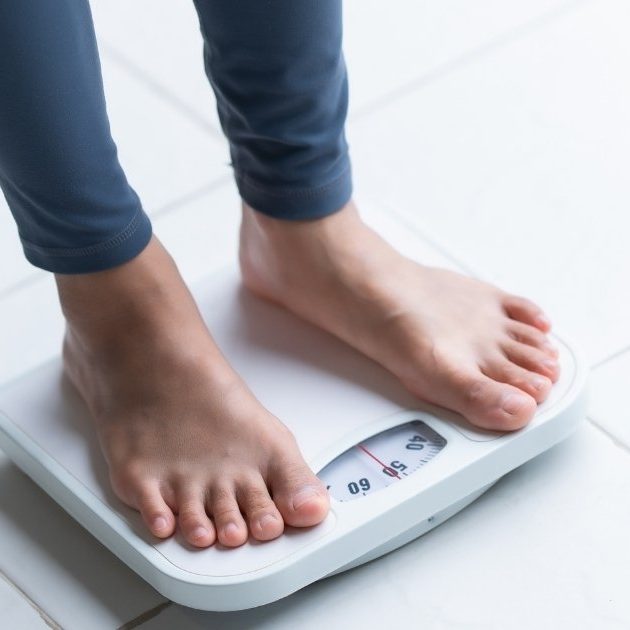
Many people feel tempted to weigh themselves every day, but that can sometimes make progress harder to judge. A weekly check is often enough to spot general trends without getting distracted by short-term fluctuations.
If you do weigh yourself regularly, try to keep the conditions similar each time. For example:
- Use the same scales
- Weigh yourself at the same time of day
- Wear similar clothing or no shoes
- Record the result so you can track trends over time
This can give you a clearer sense of whether your plan is moving in the right direction.
Why Tracking Weight Loss Can Be Helpful
Knowing the answer to “how much weight have I lost” can help you stay engaged with the bigger picture. Tracking your progress can show that small changes are adding up, even when results feel slow.
It can also help you:
- Set realistic expectations
- Spot patterns in your routine
- Stay motivated during slower periods
- Have more informed conversations with a healthcare professional
If you are exploring extra support, Fishguard Pharmacy also has useful resources on the best exercise to lose weight and which weight loss supplements may be right for you.

What If Your Weight Loss Feels Slow?
Slow progress does not necessarily mean your efforts are not working. In many cases, steadier weight loss is easier to sustain than rapid change. Building habits you can continue over the long term often matters more than trying to force quick results.
If you feel stuck, it may help to review:
- Your current eating habits
- Your activity levels
- Your sleep and stress levels
- Whether you need more structured support
For some patients, pharmacist-led advice can provide a clearer route forward, especially when lifestyle changes alone have been difficult to maintain.
Frequently Asked Questions
How do I calculate how much weight I have lost?
Subtract your current weight from your starting weight. The difference is the amount of weight you have lost.
Should I use kilograms or stone?
Either is fine. The most important thing is to stay consistent so it is easier to compare your results over time.
Is it normal for weight to go up and down?
Yes. Small fluctuations can happen because of hydration, food intake, and normal day-to-day changes.
How often should I weigh myself?
Many people find that once a week gives a more useful picture than weighing themselves every day.
What if I need more help with weight management?
If you want extra support, a consultation can help you review your options and decide on a more structured plan.
Get Weight Loss Support in Fishguard
If you have been wondering, “how much weight have I lost?”, the answer may be simpler than you think, but staying on track often takes more than just a calculator. Fishguard Pharmacy offers professional support for patients who want to understand their progress, build sustainable habits, and explore suitable treatment options where appropriate.
Book your consultation online today or visit the Weight Loss Medication service information to learn more.